The world of spirits is going through massive changes. Gone are the days when alcohol was the only option for those looking to enjoy the luscious flavors and aromas from exquisitely made drinks. Today’s health-conscious, mindful society, the demand for alcohol-free alternatives is increasing. This shift in culture is creating several opportunities in both the European Union (EU) and United Kingdom (UK) alcohol-free spirits market.
The boom in Alcohol-Free Spirits
The rise of Non-Alcoholic Alternatives
The surge in interest surrounding alcohol-free spirits is due to a growing awareness of the adverse impact of alcohol consumption on wellbeing and health. A growing number of people are adopting the right approach to their drinking habits, and putting the quality of their drinks over the quantity. The spirits industry that does not contain alcohol is seeing significant growth.
Recent years have seen consumers have demonstrated a clear preference for alternatives that allow them to relish the rich tastings and sensory experiences that are traditionally that are associated with spirits free of the narcotic effects of alcohol. Be it the familiar juniper aroma of gin and the subtle undertones of whiskey, these alcohol-free choices are designed to replicate the aroma and taste of their alcoholic counterparts.
Statisticians reflect this shift. The market for alcohol-free spirits has surged, and numerous brands have emerged to meet demands. In addition, distilleries that have been around for a while are also taking part in the movement, lending their expertise to produce premium alcohol-free spirits that cater to discerning palates.
It is the health and Lifestyle Change
While the rise of alcohol-free spirits is largely driven by the desire for tasty alternatives, a healthy lifestyle has taken over as the primary driver. Many consumers are embracing drinks that are alcohol-free to maintain a healthy lifestyle, eliminate hangovers and cut down on the amount of alcohol they consume.
The trend toward healthier living extends beyond the wellbeing movement, which sees consumers tend to prioritize mindfulness and self-care. When it comes to this, choosing alcohol-free spirits allows individuals to enjoy the art of mixing and creating cocktails without compromising their wellbeing.
As markets continue to evolve new opportunities are abounding for businesses who can tap into this healthier consumer group. The necessity to grasp the opportunities is never more apparent.
Learning about market structure of the EU and UK Market
Market Overview
Before examining the particular potential opportunities in market opportunities in the EU and UK market for alcohol-free spirits, it’s essential to understand the current situation. Both regions have witnessed substantial growth in the consumption of alcohol-free spirits.
In the EU countries, like Germany, France, and Spain have become major consumers of non-alcoholic beverages. These countries, renowned for their culinary heritage as well as their appreciation for premium beverages, have embraced alcohol-free spirits with enthusiasm. Brands have responded by offering various alcohol-free products to serve these markets.
The UK, with its vibrant bar scene and huge enthusiasm for health is another popular spot for alcohol-free spirits. London, in particular, has seen the rise of dedicated establishments and bars that are indicating an increasing demand for sophisticated alcohol-free drinks.
Regulatory Landscape
Navigating how to operate in EU and UK market for alcohol-free spirits requires a thorough understanding of the regulatory landscape. The regulations governing production advertising, labeling, and distribution of alcohol-free liquors can differ between regions and countries.
In the EU the EU, the production of spirits without alcohol is usually covered under the same regulations as alcohol-based beverages. This requires adherence to strict quality standards and requirements for labeling. It’s important for businesses to make sure that they’re in compliance with EU regulations to gain access to the market.
In the UK the regulatory landscape is determined by both EU regulations and domestic legislation. The introduction of clear and accurate labeling is crucial in educating consumers about the amount of alcohol contained in the products.
Understanding these regulations is fundamental in order for businesses to be successful with respect to the EU and UK alcohol-free spirit markets. This not only helps ensure legality, but also creates trust with the consumer.
After we’ve explored the growth and dynamics of the alcohol-free spirit market and laid the foundation with a foundational understanding that of both that EU as well as the UK marketplace, now it’s time to look at the unique opportunities that lie ahead in these markets. In the next section we’ll uncover the emerging segments of the market that drive demand and innovative product offerings which are altering the industry scene.
Keep an eye on the opportunity and make the most of your potential in this rapidly growing market.
Wholesale Excellence Direct from the Producer: Order Swedish Distillers’ Non-Alcoholic Spirits!
“Niche” Markets and emerging trends for the EU and UK Alcohol-Free Spirit Industry
In our research into market trends in EU and UK spirits that are alcohol free, we’ve previously revealed the vast expansion of this sector which is driven by health-conscious consumers as well as mindful drinking. Now, it’s time for us to go deeper into the market to understand the specialized segments and emerging trends that are altering the market.
The Craft Movement for Alcohol-Free Spirits
Artisanal Quality Sans Alcohol
The most thrilling development in the market for alcohol-free spirits is the rise of craft spirits producers dedicated to making exceptional alcohol-free alternatives. They bring the same degree of commitment and skill to alcohol-free spirits just like traditional distillers do to alcohol-based counterparts.
Craft alcohol-free spirit is characterized by their sophisticated and intricate flavors. They often incorporate botanicals, spices, and herbs, refined to perfection. These products are not just substitutes, but distinct creations in their own right and are a delight for those who seek a refined non-alcoholic taste.
Craft Distilleries and Experimental Offers
Craft distilleries across countries like the EU as well as the UK are at the forefront of this movement, trying out inventive ingredients and methods of distillation. For example, a gin alternative made with exotic botanicals or cocktails inspired by whiskey that have dark undertones, these products are extending the range of alcohol-free spirits.
Consumers are increasingly drawn to crafts because they convey authenticity honesty, transparency, as well as a strong desire for excellence. By assisting these producers consumers feel closer to the process and are willing to explore special flavor profiles which commercial brands don’t provide.
Targeting Niche Consumer Segments
The rise of Zero-Proof Cocktails
As the growing demand for alcohol-free spirits increases and so does the desire in zero-proof cocktails or “mocktails.” This trend is a particular hit at restaurants, bars and even at home mixologists. Making innovative, alcohol-free cocktails has become an art form, with the market for high-quality alcohol-free spirits for these cocktails is increasing.
Zero-proof cocktails aren’t just for designated drivers or non-drinkers They are a great choice for anyone looking for a refreshing and elegant drink, without the side impacts of alcohol. It is the case in EU and UK the rise of zero-proof cocktails has led to collaborations between bartenders along with alcohol-free spirit brands to come up with innovative recipes and improve the overall drinking experience.
Attracting the Health-conscious Generation
The health-conscious consumer segment is a major driver in the popularity of alcohol-free spirits. This market is committed to wellness and mindfulness, seeking products that match their beliefs and lifestyles.
Brands that promote the health benefits associated with spirits that are alcohol-free, such as lower calorie content, and the absence of any alcohol-related health risks and are likely to grab the attention of this group. Furthermore having partnerships with wellness and health influencers as well as experts can boost their credibility as a brand.
Environment and Sustainable Focus
Green Production and Sustainable Packaging
The importance of environmental awareness is a major aspect that influences consumer decisions in the EU as well as in the UK. Brands in the alcohol free spirit industry are responding by adopting sustainable practices in their product and packaging.
Craft distilleries, specifically they are promoting sustainability. They use local sources whenever possible they also reduce the amount of water used and utilize eco-friendly distillation methods. Innovations in packaging, such as biodegradable, recyclable and biodegradable packaging materials are also receiving attention.
Stay ahead of Curve
While we make our way across what is the EU and UK alcohol-free spirit markets, it’s evident that niche markets and emerging trends are driving change of this market. Craft-based producers are reinventing nonalcoholic spirits to the rise of zero-proof cocktails and an emphasis on sustainability, the opportunities are endless for businesses that can innovate and meet the demands of the market.
In the next part we’ll look at the significance of marketing strategies and branding that resonate with the targeted consumers, and then highlight the major issues and solutions in this rapidly expanding market.
Watch this space as we discover how you can position your alcohol-free spirit brand to be successful in the EU as well as the UK.

Marketing and branding strategies in the EU and UK Alcohol-Free Spirits
In our examination of our study of the EU and UK alcohol-free spirit market, we’ve discovered the growing demand for these innovative drinks as well as the growth from craft alcohol-free liquors, and the niche consumer segments responsible for the rise of this industry. Now, it’s time to delve into the critical realm of marketing and branding strategies that could set your alcohol-free spirit brand apart from the rest of the market.
Building a Strong Brand Identity
Mastery and Authenticity
In the age of alcohol-free spirits, creating an engaging brand identity is crucial. Consumers will gravitate to brands that show craftsmanship genuineness, authenticity, and real commitment to high-quality. To make your brand an innovator in the marketplace you should consider these strategies:
- Share Your Story: Share the background of your business with the emphasis on the passion and determination required to create alcohol-free spirits.
- Transparency Do not hide your production processes, ingredients, and sources. Credibility builds trust among customers.
- Visual Identity Make an investment in an appealing and visually appealing logo as well as packaging design that communicates your brand’s uniqueness and values.
Attracting Emotions
Alcohol-free spirits are usually associated with positive emotions like well-being, celebration, and the ability to be mindful. Utilize these emotions in order to reach out to your audience on a the deeper level
- Interactive Storytelling: Craft stories and marketing campaigns that resonate with the emotional consequences of drinking alcohol-free spirits. Make sure to highlight moments of joy, relaxation, and social connection.
- Inclusionary Messaging: Emphasize that your spirits that are alcohol-free are for everyone, whether they choose not to drink or are designated drivers or simply are looking for an alternative that is healthier.
Strategic Marketing Methods
Digital Presence and Content Marketing
Today, in the digital age an online presence is vital. Make sure your brand is visible as well as engaging on various online platforms:
- Site Optimization: Invest in an easy-to-use website that displays the products you sell, provides complete details and even has the blog section for content marketing.
- Social Media Engagement: Maintain active social media accounts to connect with your users, share valuable content, and manage targeted ads.
- educational content: Create content that teaches consumers about the advantages, flavor and versatility of alcohol-free spirits. This could include blog articles informational videos, infographics, or video posts.
Partnerships and Collaborations
Engaging with like-minded brands and influencers is a great way to increase your reach and increase credibility.
- Collaborations with Bartenders Bartender Collaborations: Collaborate with bartenders in the creation of zero-proof cocktail recipes that make use of alcohol-free spirits. These collaborations can spark excitement and attract mixologists and cocktail lovers.
- Influencer Partnerships Find influencers in the wellness, lifestyle, and alcohol-free sector who share your brand’s values. Create with them authentic content that can be more accessible to a broader audience.
Navigation Challenges and Looking Ahead
Although the market for alcohol-free spirits has a lot of potential However, it comes with its fair share of difficulties. Many consumers still have assumptions about the flavor and standard of spirits that do not contain alcohol. In order to overcome these challenges, you must have perseverance, endurance, and continuous innovation.
In our next article, we’ll explore some of the most pressing issues in the sector and suggest strategies to deal with these. Also, we’ll examine an upcoming future for the EU and UK alcohol-free spirit market and look ahead to the trends that will influence its evolution.
Stay tuned as we equip you with the information as well as strategies to make a mark in this ever-changing and exciting market.
The Challenges as well as Strategies in the EU and UK Alcohol-Free Spirit Market
As we’ve walked through the world of alcohol-free spirits throughout the EU and UK we’ve reflected on the increasing demand for the new and innovative drinks. We’ve also uncovered the most important aspects of branding and marketing strategies. It’s now time for us to take on the challenges brands face in this competitive market, and suggest ways to conquer them.
Problems in the Alcohol-Free Spirit Industry
Consumer Misconceptions
One of the main challenges is that people have misconceptions about the quality and taste of spirits that are alcohol-free. There are many who think that alcohol-free spirits are boring or tasteless flavors. To tackle this, consider these suggestions:
- Taste Education educate consumers on the variety of flavors and the complexities of alcohol-free spirits. Hold tastings or virtual tastings to show off the depth and quality of your product.
- The Sampling Programme offer sample-sized packs or bottles, allowing customers to taste your alcohol-free spirits before committing to buying a full bottle.
Regulatory Compliance
navigating the complex regulatory landscape of alcohol-free spirits isn’t easy. Regulations regarding labeling, distribution and production are a bit different by country. Check for compliance through:
- Contact Legal Consultants to seek legal counsel or regulatory experts with expertise in the area of alcohol and drink laws to ensure that your brand is in compliance with all applicable regulations.
- Careful Labeling: Create clear and compliant labels that accurately convey the alcohol content in your product as well as ingredients.
Competition and Differentiation
With the growth of the alcohol-free spirit market, competition is increasing. To make a mark:
- Innovate Product: Continuously innovate by creating new flavours, packaging, or new production techniques.
- Differentiation Highlight what sets your brand apart. This could be the sustainability of your initiatives, unique ingredients or a captivating storytelling about your brand.
Strategies for Defying Problems
Consumer Education
A well-informed consumer is more likely to drink alcohol-free beverages. Try these educational strategies:
- Web Resources Create comprehensive online resources that provide information on the process of production, ingredients as well as the health benefits of your products.
- customer support Give excellent customer support for inquiries or issues swiftly.
Sustainability Initiatives
Nowadays, consumers value sustainability more than ever. Encourage eco-friendly practices
- Eco-Packaging Use eco-friendly packaging materials, and clearly express your commitment to sustainable development.
- Local Sourcing Use local sources for ingredients where possible, and reduce your carbon footprint.
Collaborations, Partnerships, and Partnerships
Collaborations can improve your reach and credibility. Consider:
- Retail Partnerships: Collaborate with retailers and showcase your products prominently in-store or on the internet.
- Industries Alliances: Join industry associations and alliances for information and to network with other brands that are alcohol-free.
The Future of the Alcohol-Free Spirit Market
When we look at these issues and formulate strategies to address them, it’s crucial to take a look ahead. In the next part this article, we’ll analyze prospects for the EU and UK spirits market that are alcohol-free by highlighting emerging trends and opportunities to keep an eye on.
Be sure to follow us as we traverse the exciting journey that lies ahead for this vibrant and expanding industry.
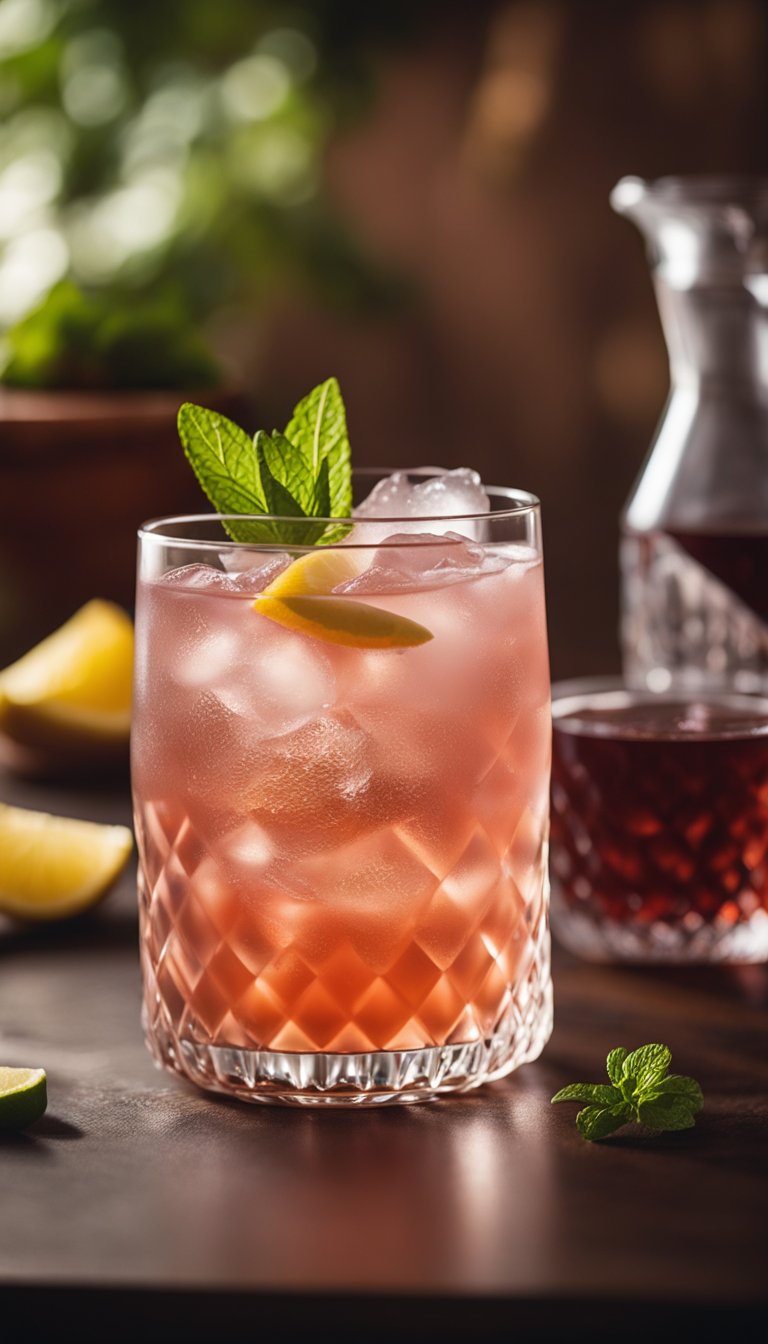
The Future of EU and UK alcohol-free Spirit Market: Trends and Opportunities
As we come to the end of our exploration in the EU and UK alcohol-free spirit market we turn our attention to the future. A new era of exciting developments and exciting opportunities await brands in this fast-growing industry.
Emerging Fashions within the Alcohol-Free Spirit Market
1. Diverse Flavor Profiles
In the near future it is likely that we will see to see a wider range of flavor profiles to enter the market. The tastes of consumers are becoming more adventurous, and brands are responding with new botanical blends and exotic fruit infusions as well as aromatic herb.
2. Premiumization
The same way that the trend of premiumization revolutionized the alcohol industry, we anticipate a similar change in the alcohol-free industry. Brands will seek out top quality ingredients and production techniques to provide their customers with a top-quality experience.
3. Sustainability as an International Standard
Sustainability will no longer be a distinctive selling feature, and will be a norm. Companies that promote eco-friendly practices, from sourcing ingredients responsibly to using recyclable packaging, will get an edge in the market.
4. Mocktail Culture
The trend of alcohol-free mocktails or drinks is set to continue. These sophisticated, alcohol-free alternatives are making waves in restaurants and bars offering a major potential for alcohol-free brands to work with establishments.
Potentials on the Horizon
1. International Expansion
With the EU and UK markets seeing growth businesses should consider expanding their presence internationally. Markets in Asia as well as The Middle East, and North America provide great opportunities for alcohol-free spirits.
2. Health and Wellness Partnerships
Collaborations with wellness and health brands, influencers, and events can help alcohol free spirits reach consumers seeking alternatives to alcoholic beverages.
3. E-Commerce Dominance
The rise of e-commerce presents an opportunity to direct-to-consumer sales. Brands should invest in user-friendly website design, online marketing, and ecommerce strategies for a better grasp of this booming market.
Summary and Recap
In this five-part series, we’ve explored this EU as well as the UK liquor-free market, exploring the growing popularity of it as well as branding and marketing strategies, issues, and strategies for overcoming them. We’ve also delved into emerging trends and opportunities awaiting the brands operating in this exciting industry.
The allure of alcohol-free spirits in Europe is evident. With consumers seeking healthier, more sustainable alternatives to drinking The market continues to thrive. Companies that emphasize innovation quality in their products, sustainability, and international expansion will be best positioned to grow in the years to be.
Thank you for joining us on this informative tour through the world of alcohol-free spirits. We hope this series has provided you with valuable insights and motivation to navigate the constantly evolving market.