Over the past few years, the European Union (EU) has witnessed a transformation of a magnitude in the spirit industry. There is a shift underwayaEUR”one that reflects the evolving tastes, preferences, and mindful choices of customers. As the EU accepts sustainability as a priority and more individuals seek alternatives to traditional alcohol drinks increasing demand for sustainable spirits that are alcohol-free has emerged as an exciting trend. In this article, we go on a tour to discover this fascinating development.
The Rise of Sustainable Spirits in the EU
Current trends in the EU’s Drinks Market
The landscape of the alcohol market in the EU is going through a dramatic transformation. Traditionally, alcoholic beverages have played a prominent role in European cultures, with wine beers, whiskey and vodka serving as the primary beverages for social gatherings and meals. However, in recent years, an interesting trend has emergedaEUR”consumers are becoming more conscious of their choices.
The EU alcohol market, once dominated by consumption of alcohol, is now moving towards healthier, sustainable, alternative drinks that are alcohol free. The desire for mindful consumption driven by health-related concerns social responsibility, as well as environmental awareness has ushered in an exciting new era in spiritsaEUR”the sort that is not alcoholic and sustainable.
The rising popularity of alcohol-free Spirits
The leaders in this trend are progressive brands who have embraced the shifting tide of consumer preferences. These companies that are forward-thinking have responded by introducing a variety of alcohol-free spirits that not simply offer a better alternative to traditional alcohol, but also promote sustainability.
The rise of alcohol-free spirits represents a major change from past. They are devoid of alcohol, but full of flavor they capture the essence of traditional drinks without the intoxicating effects. While the idea of alcohol-free spirits isn’t totally new, the emphasis on sustainability and environmental responsibility is a new and significant change.
This article will dig deeper in this exciting area, examining the environmental impact of traditional production methods for alcohol, and the ways sustainability is being integrated into the production for alcohol-free spirits. In the following sections we will examine the fascinating background of these drinks, starting from the source of ingredients to environmentally friendly production processes along with responsible packaging, distribution and packaging.
Let’s start this journey together and discover the ways in which EU sustainable alcohol-free spirits are creating a more green and more conscious future. In the next segment in this section, we’ll analyze the environmental impact of traditional production of alcohol and the reasons why it’s guiding consumers towards sustainable choices.
Read more: Impact of Traditional Alcohol Production on the Environment Impact of Traditional Alcohol Production
Keywords: EU Spirits that have a sustainable and alcohol-free source, market for alcohol within the EU Sustainable spirits, alcohol-free alternatives as well as mindful consumption and environmental consciousness, sustainable and alcohol-free spirits, sustainability of spirit-free alcohol, new brands ecological impact of traditional spirits, sustainable choices.
Experience Direct Buying: Premium Non-Alcoholic Spirits from Swedish Distillers!
The Environmental Impact of Traditional Alcohol Production
When someone thinks about alcohol production, the picture most often that comes to mind is beautiful vintage breweries, majestic vineyards, or elegant distilleries. While these locations may radiate authenticity and beauty however they conceal huge environmental impacts. In this section will explore the environmental impact of traditional alcohol production techniques and the ways they’ve led to the increasing need for sustainable alternatives.
Secret Costs of Traditional Alcohol Production
Traditional methods for producing alcohol have been used for a long time that are passed down through generations. They typically involve the cultivation of specific crops (such as grains, grapes, or sugarcane) along with distillation, fermentation along with aging, bottling, and distillation. While these methods might appear natural, they can have significant environmental impact:
1. Intensity of Resource
a. Land Use
Traditional alcohol production usually needs huge expanses of land for agriculture. Agriculture of plants like grapes or grains requires substantial area of land, that could have been used for other and sustainable purposes.
b. Consumption of Water
The production of alcohol is notoriously water-intensive. From irrigating crops to the actual distillation and fermentation processes, huge amounts water are consumed. This poses challenges in regions where water shortages are the main issue.
2. Energy Consumption
Traditional process of distillation and ageing are extremely energy-intensive. Utilizing fossil fuels to power distillery operations contributes to the emission of greenhouse gases and exacerbates climate change. Also, the aging of spirits in wooden barrels calls for huge storage facilities, frequently needing temperature control, and further energy expenditure.
3. Chemical Usage
Pesticides and fertilizers are commonly used in agriculture to help protect crop yields and protect crops. The chemical runoff produced by conventional farming practices can result in environmental degradation and water pollution damaging ecosystems and the health of humans.
A Shift Towards Sustainable Alternatives
As concerns about pollution of the environment, climate change and environmental degradation mount people are becoming and more discerning. They’re more inclined to purchase products that conform to their beliefs about environmental sustainability and accountability. This shift in preferences of consumers has led to more sustainable options, such as alcohol-free spirits.
In the next part we will look at our how EU sustainable alcohol-free spirits is revolutionizing its environmental footprint. From the most innovative sourcing practices to eco-friendly production techniques, this is setting a new benchmark for sustainability in the spirit industry.
Read more: The sustainability of EU Alcohol-Free Spirits
Keywords: Impact on the environment of alcohol production and traditional methods of alcohol production that use a lot of resources for alcohol production, land use in the production of alcohol and the use of water in the production of alcohol. Energy consumption during alcohol production, the use of chemicals in alcohol production and sustainable alternatives climate change, environmental degradation, consumer preference that are sustainable when it comes to alcohol-free spirits.
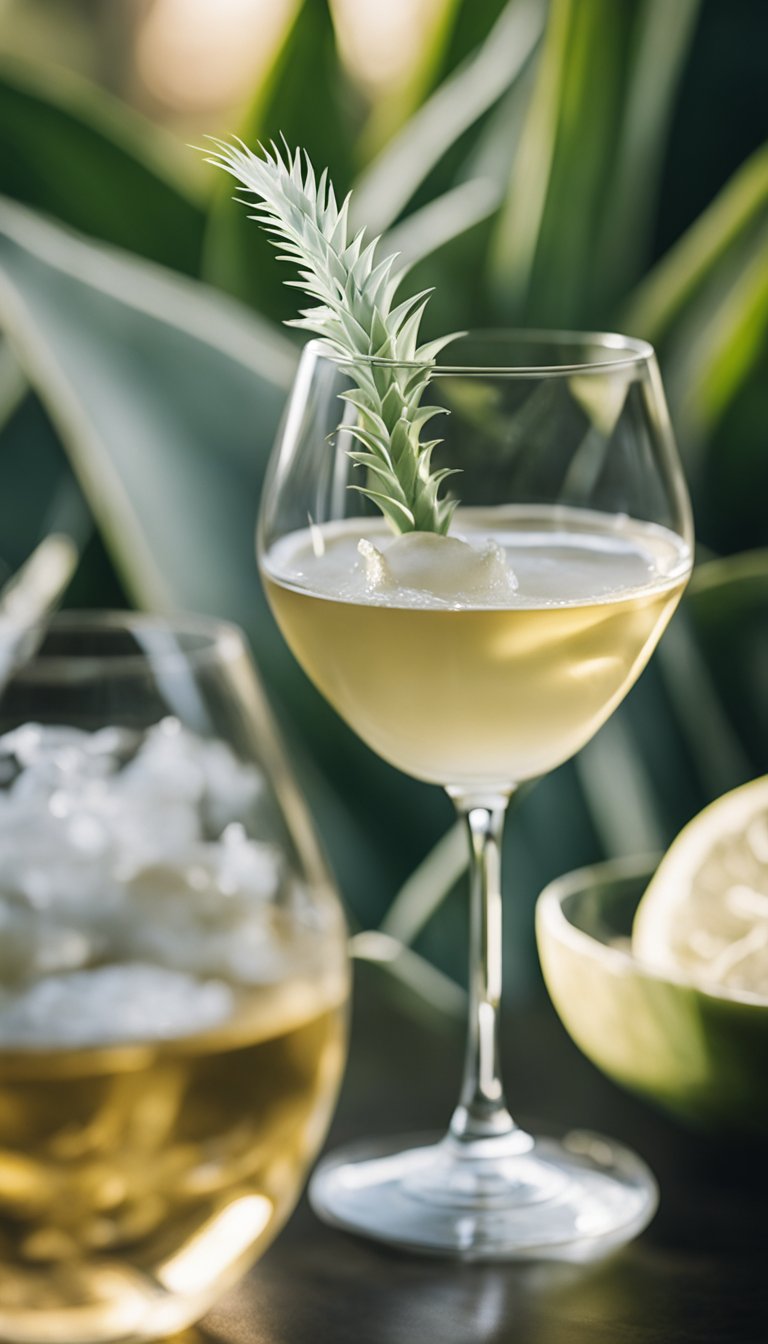
Sustainable, Alcohol-Free Spirits is a greener alternative
In the earlier sections we discussed the environmental impacts of traditional production of alcohol and the shifting consumer preference towards sustainable. We’ll now delve to the world of alcohol-free sustainable spirits and find out their role in paving the way to a healthier and more responsible future.
The birth of sustainable, alcohol-free Spirits
The concept of alcohol-free spirits could be confusing at first glance. In all reality, spirits have long been associated with alcohol-based content. But, forward-thinking and innovative distilleries are changing the perception by creating alcohol-free alternatives. They are capturing the essence of traditional spirits without alcohol.
What Are Sustainable Alcohol-Free Spirits?
Spirits that are sustainable alcohol-free, commonly referred to as “spirits alternatives,” are drinks that mimic the aromas, flavors and sophistication of traditional spirits, yet contain little to no alcohol. They are made with an assortment of botanicals, herbs, spices, and various other ingredients of nature, every ingredient is carefully selected to deliver distinct sensory experiences.
The Environmental Benefits
1. Reducing the footprint of land and water
One of the main environmental benefits of sustainable alcohol-free spirits is their smaller footprint of land and water. Instead of traditional production of alcohol, which requires vast agricultural land and water for the cultivation of crops the alternatives to spirits usually source their ingredients more efficiently. This means that less resources are used up, which frees space and water to be used for other purposes that are sustainable.
2. Lower Energy Consumption
Making alcohol-free spirits usually is less energy-intensive that traditional distillation processes and maturation. This results in a less carbon footprint as well as less the emission of greenhouse gases. As the world struggles with the consequences of climate changes, energy savings are increasingly crucial.
3. Minimum Chemical Use
Spirits that are made from sustainable alcohol free sources are produced with a focus on purity and sustainability. It means that hardly or the absence of any chemical pesticides or fertilizers are included in their production. In avoiding harmful chemicals often associated with conventional agriculture, these alternative methods will help create healthier ecosystems and more sustainable water sources.
To meet the demands of consumers
The modern consumer is more informed and conscious of what they buy. They are seeking products that match with their ideals, such as social and environmental sustainability. Sustainable alcohol-free spirits fulfill the needs of consumers by offering unrestricted and eco-friendly drinking.
These products aren’t only embraced by those abstaining from alcohol, but also by those looking to reduce their alcohol intake for health, social, or personal reasons.
What’s on the horizon?
In the next section We will look at important EU brands and distilleries which have adopted sustainable alcohol-free spirits. In the next section, we’ll take a closer look at their innovative strategies innovative offerings, as well as the impact they’re having on the spirits industry.
Continue reading In the forefront of Green Revolution: EU Sustainable Alcohol-Free Spirits Brands
Keywords: sustainable alcohol-free spirits alternatives to spirits, ecological benefits, decreased land and water footprint, lower usage of energy, less chemical usage, meeting consumer demand, EU brands, distilleries and innovative methods, leading an eco-friendly revolution.
The leader of The Green Revolution: EU Sustainable Brands that are Alcohol-Free
As consumer attitudes continue to shift towards sustainable and environmentally responsible and sustainability, a number of European Union (EU) distilleries and brands are leading the way in the production of environmentally friendly alcohol-free spirits. In this article the article will focus on important EU brands and distilleries that have embraced the green revolution and are leading the way in the spirit industry.
The rise of Sustainable Spirits from the EU that are Alcohol-Free Brands
A commitment to sustainability
EU distilleries as well as brands enjoy a long tradition of producing high-quality spirits. But, as the world confronts environmental challenges the companies are taking on a new mission: sustainability. They are aware of the need to reduce the carbon footprint of their operations, conserve precious resources, and push for responsible consumption.
Innovative Approaches
To ensure sustainability, EU brands are employing unique approaches to alcohol free spirit production. This includes using locally produced, organic ingredients that are sourced locally employing energy efficient production methods and even applying circular economy principles.
Affordable EU Sustainable Food and Drink Brands with Alcohol-Free Ingredients
1. Seedlip
-
Background: Seedlip tends to be credited as one of the pioneers in the sustainable alcohol-free spirits movement. Originating in the United Kingdom, the brand has received international recognition for its innovative spirit solutions.
-
Sustainability Programs Seedlip has a high priority on sustainability, procuring ingredients from farms in the area and using environmentally friendly packaging. They’ve also launched initiatives to promote biodiversity and conservation.
2. Rutte
-
The background: Rutte, a Dutch distillery with a long background dating back to 1872. The company has introduced an alcohol-free selection with a focus on their traditional craft while encouraging sustainability.
-
Sustainability-related Initiatives Rutte is focused on the use of natural plant extracts and reduce the amount of waste generated by their manufacturing processes. They also take part in eco-friendly initiatives within their own local community.
3. CalenIfo
-
The background: CalenIfo comes from Spain is renowned for its vibrant and tropical-inspired spirit, that is alcohol free and ideal for cocktails or social gatherings.
-
Sustainable Initiatives CalenIfo has committed to sourcing ingredients ethically as well as promoting ethical labor practices and minimizing their environmental impact.
Impact on the Spirits Industry
These EU organic alcohol-free spirits provide not only eco-friendly alternatives to standard spirits, but are as well influencing change within the industry. With their increasing popularity, other distilleries and brands are taking note and are beginning to adopt more sustainable methods of production.
The rise of these brands illustrates the growing awareness about environmental issues, as well as a preference for sustainable and responsible consumption by consumers. It’s evident that sustainability isn’t just a trend; it’s growing into a crucial aspect of the future of the spirits industry.
In the following section we will take a closer take a look at the impact of sustainable alcohol-free spirits, and their role as they shape the course of our industry.
Continue to read: Making the Future a Reality: Global Impact of sustainable alcohol-free Spirits
Keywords: EU sustainably produced alcohol-free spirits committed to sustainability, ingenuity, Seedlip, Rutte, CalenIfo, influence on the spirits industry responsible consumption, the future of the industry of drinks.
Shaping the Future: The Global Effects of a Sustainable Alcohol-Free Spirit
In previous chapters in the previous sections, we took an exploration into the changing world of sustainable alcohol-free spirits within the European Union (EU). The focus was on the commitment to sustainability, the innovative strategies and a number of notable EU companies that are at the forefront of on the path to a sustainable green revolution. In this final installment, we widen our lens to investigate the global impact of sustainable alcohol-free spirits, as well as their impact on an industry that will be able to thrive in the years ahead.
A Worldwide Shift Towards Sustainability
A Global Phenomenon
Even though the EU has been at the forefront of sustainable alcohol-free spirit production, the trend is by certainly not restricted to its limits. From North America to Asia, distilleries and brands are beginning to recognize the importance of sustainability and environmental responsibility in spirits production.
Consumer Demand
One of the major forces for this shift globally is the growing demand from consumers to purchase sustainable and environmentally friendly products. Consumers today aren’t just looking for good quality beverages, but they also want sustainability. They want to make choices that align with their ideals and minimize their environmental impact.
The Expanding Horizons Brands Beyond Borders
Beyond the EU
As we’ve outlined in previous sections, the EU has several well-known brands that are committed towards sustainability. But we must not be ignoring the contributions of distilleries from other regions. Brands are from America, Canada, United States, Canada, Australia and many Asian countries are also making an impact in the sustainable alcohol free spirits landscape.
Innovative techniques and flavors
What sets these global labels apart is their distinctive regional flavors and production techniques. For example, American brands may draw ideas from local herbs, while Asian distilleries usually blend their products with traditional spices and herbs.
The Impact upon the Spirits Industry
The efforts of distilleries as well as brands across the globe have a significant impact in the spirit industry. Here’s how:
Inspiring Change
The popularity and success in the market of sustainable alcohol-free liquor brands are inspiring traditional distilleries and beverage companies to reevaluate their practices. In the process, we have seen an increasing number of industry leaders using sustainable methods and environmentally conscious production methods.
A Sustainable Future
Sustainability should no longer be a buzzword, but it is a central guideline for the future of the industry. From cutting carbon emissions to conserving the resources of water, spirits producers are embracing their role as stewards the environment.
Conclusion: A toast to Sustainability
In this series we’ve taken a deeper look at the world of sustainable alcohol-free spirits, from their initial sources as well as innovative production methods that have led to some of the most renowned EU and global brands. This journey has shown the transformational power of sustainability in the spirit industry.
When we pour our glasses in celebration of these groundbreaking advances and achievements, we are aware that the green revolution in spirits is not just a passing trend but an entire paradigm change. It’s an evolution towards an eco-friendly, sustainable and environmentally-friendly future for our favorite drinks.
So regardless of whether you’re sipping an Seedlip beverage in London or enjoying a Rutte-inspired recipe in Amsterdam, or trying the exotic flavours that CalenIfo offers in Madrid Make sure that your choices will lead to a more sustainable and more sustainable environment.
Thank you for coming along on this educational journey into the world of sustainably produced alcohol-free spirits. When we finish this series take the idea of sustainability forward and be responsible in the drinks we consume.
Capture of the Series:
-
The rise of EU Sustainable Alcohol-Free Spirits Brands
-
Sustainable Alcohol-Free Spirits: An International Perspective
-
New Production Strategies for sustainable, alcohol-free Spirits
-
Notable Brands in the sustainable alcohol-free spirit Movement
-
Moving the future: The Global Impact of Sustainable Alcohol-Free Spirits